
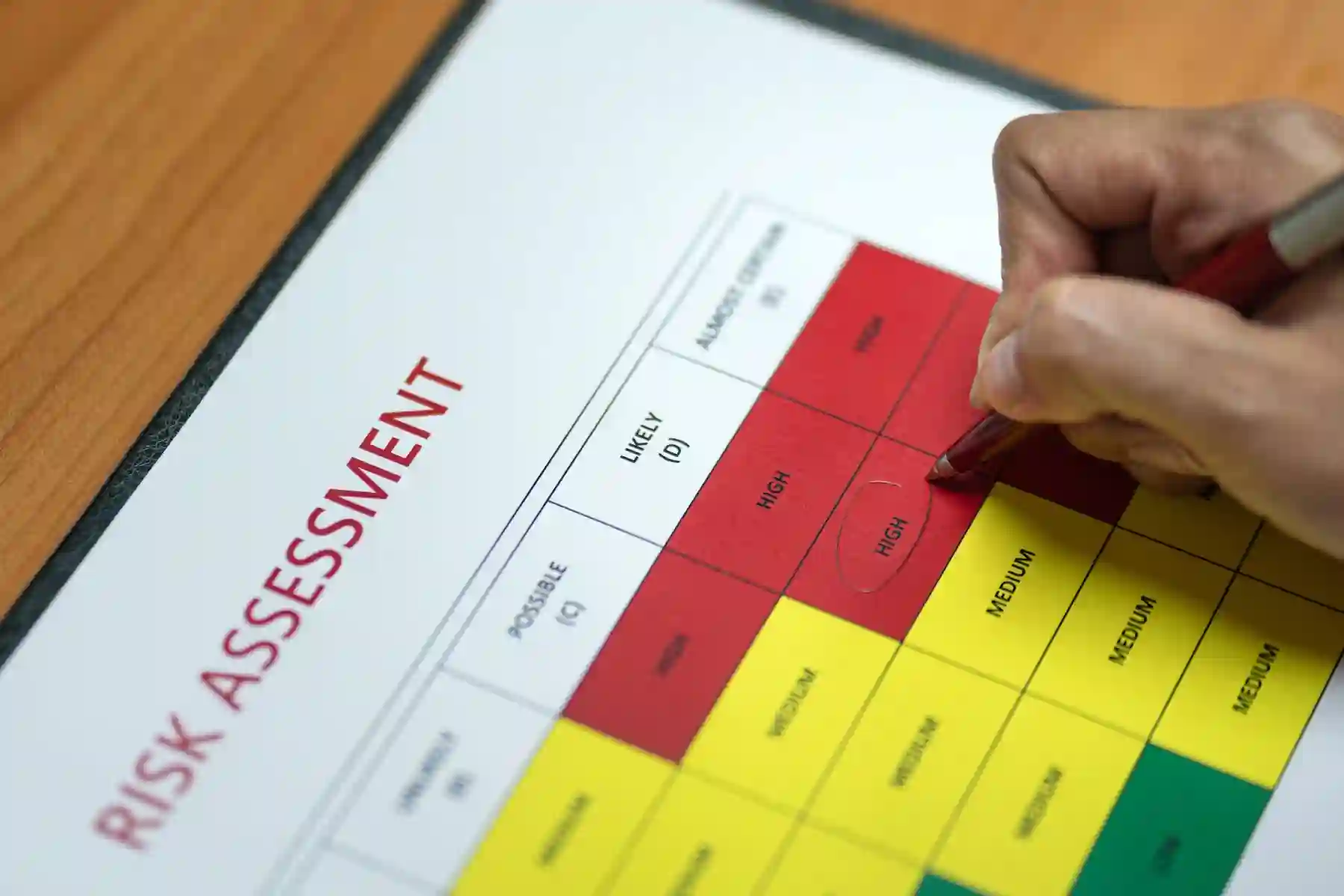
In recent years, the impact of climate change on our weather patterns has become undeniable. For the UK construction and development sector, this shift is not just a matter of environmental concern; it is a fundamental factor reshaping how we approach planning and infrastructure. Specifically, the relationship between climate change and Flood Risk Assessments (FRAs) has become increasingly critical.
As rainfall intensity increases and sea levels rise, the parameters for safe and sustainable development are evolving. For developers, contractors, and public sector bodies, understanding these changes is essential for securing planning permission and ensuring the long-term resilience of their projects.
At AJF Engineering, we are at the forefront of this shifting landscape. As chartered civil and structural engineers, we provide the expertise needed to navigate these complex requirements, ensuring that your developments are future-proofed against the challenges of a changing climate.
Get in touch with us today by calling 0151 374 0545 or emailing us at info@ajfengineering.co.uk to see how we can help.
The Changing Face of Flood Risk
Climate change is altering the frequency and severity of flooding events across the UK. We are witnessing wetter winters, drier summers, and more intense, localised storms. These changes have direct implications for how flood risk is calculated and mitigated.
Traditionally, flood risk was assessed based on historical data. However, in a rapidly changing climate, the past is no longer a reliable predictor of the future. The Environment Agency now requires FRAs to account for climate change allowances; predictive adjustments that estimate how peak river flows and rainfall intensities will increase over the lifetime of a development (typically 100 years for residential projects).
This shift means that sites previously considered “low risk” may now fall into higher risk categories when future climate scenarios are applied. Consequently, the scope of a Flood Risk Assessment must be broader and more robust than ever before.
Evolving Regulatory Requirements
The National Planning Policy Framework (NPPF) and local planning authorities have tightened their regulations to reflect these environmental realities. A standard, box-ticking approach to an FRA is no longer sufficient.
To secure planning approval, an assessment must now demonstrate:
- Future-Proofing: Evidence that the development will remain safe for its entire lifetime, accounting for predicted increases in flood severity.
- Resilience: The incorporation of design features that can withstand or recover quickly from flooding events.
- No Adverse Impact: Proof that the development will not increase flood risk elsewhere, particularly as runoff rates increase due to climate change.
Failure to adequately address these climate change allowances can lead to immediate planning refusals. It is crucial to engage with a consultancy that understands not just current regulations, but the trajectory of future standards.
The Role of Advanced Drainage Strategies
One of the most effective ways to mitigate the impact of climate change on flood risk is through advanced drainage design. As rainfall intensity grows, traditional piped drainage systems are often overwhelmed, leading to surface water (pluvial) flooding.
This is where AJF Engineering’s expertise becomes invaluable. Our team specialises in delivering bespoke drainage design solutions that go beyond basic compliance; we utilise the latest in-house drainage modelling software to simulate extreme weather events, allowing us to design systems that can handle increased water volumes efficiently.
Sustainable Urban Drainage Systems (SuDS)
Central to adapting to climate change is the implementation of Sustainable Urban Drainage Systems (SuDS). SuDS mimic natural drainage processes, slowing down the flow of water and allowing it to infiltrate the ground or be stored temporarily on-site.
Features such as permeable paving, swales, attenuation ponds, and green roofs are no longer just “nice-to-have” additions; they are often essential components of a compliant FRA. By integrating SuDS into the masterplan early, we can manage surface water runoff effectively, reducing the burden on sewer networks and minimising flood risk both on and off-site.
Our experience in Sustainable Urban Drainage Design ensures that these features are not only functional but also enhance the aesthetic and biodiversity value of your development.
Need expert advice on integrating SuDS into your project? Contact our team today to discuss your requirements.
AJF Engineering: Director-Led Expertise for Complex Challenges
Navigating the intersection of climate change data, hydraulic modelling, and planning policy requires a high level of technical skill. At AJF Engineering, we pride ourselves on offering a refreshing, director-led service. This means your project benefits from senior-level involvement and strategic oversight from day one.
We do not believe in a one-size-fits-all approach. Every site has unique topographical and hydrological characteristics, and every client has specific commercial goals. Our chartered engineers work closely with you to develop a tailored strategy that balances regulatory compliance with cost-efficiency.
Our Comprehensive Approach Includes:
- Detailed Climate Analysis: Applying the latest climate change allowances to hydraulic models to accurately predict future flood extents.
- Bespoke Mitigation Strategies: Designing practical solutions, such as raised floor levels or flood compensation schemes, that protect your asset without compromising design quality.
- Negotiation with Authorities: We handle the complex liaison with the Environment Agency, Lead Local Flood Authorities (LLFAs), and water companies, smoothing the path to planning approval.
- Sewer Diversions and Build-Over Agreements: Managing existing infrastructure to accommodate new resilient designs.
Our portfolio of drainage projects across the UK demonstrates our ability to deliver successful outcomes even in challenging, high-risk environments.
The Commercial Value of Climate-Resilient Design
While the regulatory push for climate-conscious FRAs is strong, there is also a compelling commercial case for developers. Properties built to high standards of flood resilience are more insurable, mortgageable, and attractive to buyers who are increasingly aware of climate risks.
Furthermore, addressing these issues early in the design phase prevents costly redesigns later. By partnering with AJF Engineering at the pre-planning stage, you can identify constraints and opportunities early, avoiding the “retrofitting” of drainage solutions that can eat into developable land and profit margins.
Conclusion: Future-Proofing Your Development
Climate change is rewriting the rules of property development in the UK. Flood Risk Assessments are no longer just a snapshot of current conditions; they are a forecast of the future. To build successfully in this new era, developers need engineering partners who are proactive, technically advanced, and commercially astute.
At AJF Engineering, we combine deep technical knowledge with a practical, client-focused approach. Whether you are dealing with a complex site in a high-risk flood zone or simply need to ensure your drainage strategy is robust enough for future storms, our team is here to help.
Ready to ensure your project is resilient and compliant? Get in touch with AJF Engineering today.